Buy reeh.eu ?
We are moving the project
reeh.eu .
Are you interested in purchasing the domain
reeh.eu ?
domain@kv-gmbh.de · 0541-91531010
Buy reeh.eu ?
Is glyphosate an organic compound?
No, glyphosate is not an organic compound. It is a synthetic compound that is classified as an organophosphorus compound. Glyphosate is a broad-spectrum herbicide that is widely used in agriculture to kill weeds. Organic compounds, on the other hand, are compounds that contain carbon-hydrogen bonds and are typically found in living organisms. **
What are organic compound groups?
Organic compound groups are categories of molecules that contain carbon atoms bonded to hydrogen atoms, along with other elements such as oxygen, nitrogen, sulfur, and phosphorus. Some common organic compound groups include alkanes, alkenes, alkynes, alcohols, carboxylic acids, and amino acids. Each group has unique properties and characteristics based on the arrangement of atoms and functional groups present in the molecule. Organic compound groups play a crucial role in biological processes, chemical reactions, and the structure of various natural and synthetic compounds. **

Similar search terms for Compound
Top-Angebote
Products related to Compound:
-
Youfap Market Polishing Compound Kit, Metal Buffing And Jewelry Polishing Compound, Premium Cutter Set 8pcsDurable Buffing Polishing Compound Kit for Various Uses This 8PCS Polishing Compound Kit is designed to offer you a professionallevel finish for metal, jewelry, and cutting tools. The kit includes a variety of polishing compounds that make your...49,97 $*Shipping: 0,00 $Secure redirect to the provider
-
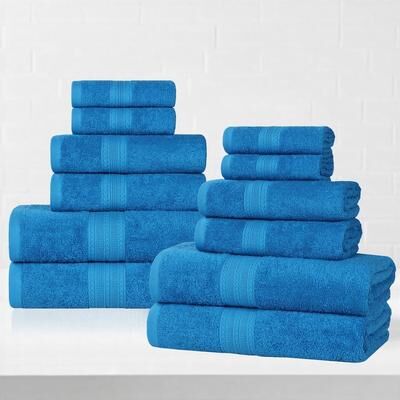
Superior Eco-Friendly Sustainable Cotton 12-Piece Bathroom Towel SetMade with incredibly soft recycled cotton, the Eco-Friendly Sustainable Cotton Bathroom Towel Set is the perfect green addition to any bathroom space. Our sustainable Cotton towels are lightweight to get you dry quickly after a shower or bath.78,99 $*Shipping: 0,00 $Secure redirect to the provider
-
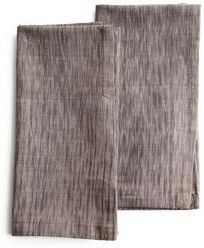
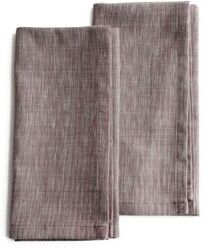
"TIMELESS Organic Cotton Napkins - Handmade, Fair Trade, Eco-Dyed by Sustainable Threads - 20""x20"" (Set of 2)"TIMELESS Collection Handwoven Organic Cotton Napkins - Set of 2 Classic and enduring, these yarn-dyed, handwoven napkins are crafted from indigenous, drought-resistant organic cotton using traditional handspun and botanical dye methods.64,00 $*Shipping: 0,00 $Secure redirect to the provider


-
Why are there so many organic compound substances?
There are so many organic compound substances because carbon has the unique ability to form strong covalent bonds with other elements, allowing for a wide variety of molecular structures to be created. Additionally, carbon can form bonds with itself, leading to the formation of long chains and complex three-dimensional structures. This versatility of carbon bonding allows for the creation of a vast array of organic compounds with diverse properties and functions, making them essential building blocks of life. **
-
What is the difference between organic and eco-friendly products?
Organic products are made from ingredients that are grown without the use of synthetic pesticides, herbicides, or fertilizers, and are often certified by a regulatory body. Eco-friendly products, on the other hand, are designed to have minimal impact on the environment throughout their entire lifecycle, from production to disposal. While organic products focus on the natural ingredients used, eco-friendly products consider the overall environmental impact of the product. In essence, organic products focus on the ingredients, while eco-friendly products focus on the entire product lifecycle. **
-
What is the oxidation number of carbon in an organic compound?
The oxidation number of carbon in an organic compound is typically -4. This is because carbon is more electronegative than hydrogen and is considered to have gained electrons from hydrogen in organic compounds. However, the oxidation number of carbon can vary depending on the specific compound and its structure. **
-
Is organic sustainable?
Organic farming practices can be more sustainable than conventional methods in terms of reducing chemical inputs, promoting biodiversity, and improving soil health. However, there are challenges to the scalability and efficiency of organic farming, which can impact its overall sustainability. For example, organic farming typically requires more land and labor to produce the same amount of food as conventional methods, which can limit its ability to meet global food demand. Additionally, the transportation and distribution of organic products can have a higher environmental impact due to their shorter shelf life and the need for refrigeration. Overall, while organic farming has many sustainable benefits, there are also limitations to its long-term sustainability on a large scale. **


Is it an ionic compound or a molecular compound?
To determine if a compound is ionic or molecular, you can look at the elements involved. Ionic compounds typically involve a metal and a nonmetal, while molecular compounds involve two or more nonmetals. Ionic compounds form when atoms transfer electrons to achieve a full outer shell, resulting in the formation of ions. Molecular compounds form when atoms share electrons to achieve a stable electron configuration. **
Is it a molecular compound or an ionic compound?
To determine if a compound is molecular or ionic, we need to consider the types of elements involved. Molecular compounds are formed between nonmetals, where atoms share electrons to form covalent bonds. Ionic compounds are formed between metals and nonmetals, where electrons are transferred from one atom to another to form ions held together by electrostatic forces. By analyzing the elements present in the compound and their bonding behavior, we can determine if it is a molecular compound or an ionic compound. **
Top-Angebote
Products related to Compound:
-
Combo Retail Shop Polishing Compound Kit, Durable Buffing Polishing Compound, Premium Honing Compound Set For Cutter, Jewellery 8pcsUnlock a Professional Polishing Finish with Our Premium Polishing Compound Kit! Achieve a smooth, glossy finish every time with our Polishing Compound Kit, expertly designed to deliver superior results in buffing polishing, honing, and metal...49,97 $*Shipping: 0,00 $Secure redirect to the provider
-
"TIMELESS Organic Cotton Napkins - Handmade, Fair Trade, Eco-Dyed by Sustainable Threads - 20""x20"" (Set of 2)"TIMELESS Collection Handwoven Organic Cotton Napkins - Set of 2 Classic and enduring, these yarn-dyed, handwoven napkins are crafted from indigenous, drought-resistant organic cotton using traditional handspun and botanical dye methods.64,00 $*Shipping: 0,00 $Secure redirect to the provider
-
Youfap Market Polishing Compound Kit, Metal Buffing And Jewelry Polishing Compound, Premium Cutter Set 8pcsDurable Buffing Polishing Compound Kit for Various Uses This 8PCS Polishing Compound Kit is designed to offer you a professionallevel finish for metal, jewelry, and cutting tools. The kit includes a variety of polishing compounds that make your...49,97 $*Shipping: 0,00 $Secure redirect to the provider
-
Superior Eco-Friendly Sustainable Cotton 12-Piece Bathroom Towel SetMade with incredibly soft recycled cotton, the Eco-Friendly Sustainable Cotton Bathroom Towel Set is the perfect green addition to any bathroom space. Our sustainable Cotton towels are lightweight to get you dry quickly after a shower or bath.78,99 $*Shipping: 0,00 $Secure redirect to the provider
-
Is glyphosate an organic compound?
No, glyphosate is not an organic compound. It is a synthetic compound that is classified as an organophosphorus compound. Glyphosate is a broad-spectrum herbicide that is widely used in agriculture to kill weeds. Organic compounds, on the other hand, are compounds that contain carbon-hydrogen bonds and are typically found in living organisms. **
-
What are organic compound groups?
Organic compound groups are categories of molecules that contain carbon atoms bonded to hydrogen atoms, along with other elements such as oxygen, nitrogen, sulfur, and phosphorus. Some common organic compound groups include alkanes, alkenes, alkynes, alcohols, carboxylic acids, and amino acids. Each group has unique properties and characteristics based on the arrangement of atoms and functional groups present in the molecule. Organic compound groups play a crucial role in biological processes, chemical reactions, and the structure of various natural and synthetic compounds. **
-
Why are there so many organic compound substances?
There are so many organic compound substances because carbon has the unique ability to form strong covalent bonds with other elements, allowing for a wide variety of molecular structures to be created. Additionally, carbon can form bonds with itself, leading to the formation of long chains and complex three-dimensional structures. This versatility of carbon bonding allows for the creation of a vast array of organic compounds with diverse properties and functions, making them essential building blocks of life. **
-
What is the difference between organic and eco-friendly products?
Organic products are made from ingredients that are grown without the use of synthetic pesticides, herbicides, or fertilizers, and are often certified by a regulatory body. Eco-friendly products, on the other hand, are designed to have minimal impact on the environment throughout their entire lifecycle, from production to disposal. While organic products focus on the natural ingredients used, eco-friendly products consider the overall environmental impact of the product. In essence, organic products focus on the ingredients, while eco-friendly products focus on the entire product lifecycle. **
Similar search terms for Compound
-
"TIMELESS Organic Cotton Napkins - Handmade, Fair Trade, Eco-Dyed by Sustainable Threads - 20""x20"" (Set of 2)"TIMELESS Collection Handwoven Organic Cotton Napkins - Set of 2 Classic and enduring, these yarn-dyed, handwoven napkins are crafted from indigenous, drought-resistant organic cotton using traditional handspun and botanical dye methods.64,00 $*Shipping: 0,00 $Secure redirect to the provider
-
Superior Eco-Friendly Sustainable Cotton 12-Piece Bathroom Towel SetMade with incredibly soft recycled cotton, the Eco-Friendly Sustainable Cotton Bathroom Towel Set is the perfect green addition to any bathroom space. Our sustainable Cotton towels are lightweight to get you dry quickly after a shower or bath.64,59 $*Shipping: 0,00 $Secure redirect to the provider
-
What is the oxidation number of carbon in an organic compound?
The oxidation number of carbon in an organic compound is typically -4. This is because carbon is more electronegative than hydrogen and is considered to have gained electrons from hydrogen in organic compounds. However, the oxidation number of carbon can vary depending on the specific compound and its structure. **
-
Is organic sustainable?
Organic farming practices can be more sustainable than conventional methods in terms of reducing chemical inputs, promoting biodiversity, and improving soil health. However, there are challenges to the scalability and efficiency of organic farming, which can impact its overall sustainability. For example, organic farming typically requires more land and labor to produce the same amount of food as conventional methods, which can limit its ability to meet global food demand. Additionally, the transportation and distribution of organic products can have a higher environmental impact due to their shorter shelf life and the need for refrigeration. Overall, while organic farming has many sustainable benefits, there are also limitations to its long-term sustainability on a large scale. **
-
Is it an ionic compound or a molecular compound?
To determine if a compound is ionic or molecular, you can look at the elements involved. Ionic compounds typically involve a metal and a nonmetal, while molecular compounds involve two or more nonmetals. Ionic compounds form when atoms transfer electrons to achieve a full outer shell, resulting in the formation of ions. Molecular compounds form when atoms share electrons to achieve a stable electron configuration. **
-
Is it a molecular compound or an ionic compound?
To determine if a compound is molecular or ionic, we need to consider the types of elements involved. Molecular compounds are formed between nonmetals, where atoms share electrons to form covalent bonds. Ionic compounds are formed between metals and nonmetals, where electrons are transferred from one atom to another to form ions held together by electrostatic forces. By analyzing the elements present in the compound and their bonding behavior, we can determine if it is a molecular compound or an ionic compound. **
* All prices are inclusive of VAT and, if applicable, plus shipping costs. The offer information is based on the details provided by the respective shop and is updated through automated processes. Real-time updates do not occur, so deviations can occur in individual cases. ** Note: Parts of this content were created by AI.