Buy reeh.eu ?
We are moving the project
reeh.eu .
Are you interested in purchasing the domain
reeh.eu ?
domain@kv-gmbh.de · 0541-91531010
Buy reeh.eu ?
How are ores formed in the Andes?
Ores in the Andes are formed through a process called mineralization, which occurs when mineral-rich fluids move through cracks and fissures in the Earth's crust. These fluids can come from magma chambers deep underground or from circulating groundwater. As the fluids move through the rocks, they deposit minerals such as gold, silver, copper, and zinc, which eventually form ore deposits. The tectonic activity in the Andes, including subduction zones and volcanic activity, plays a crucial role in creating the conditions for mineralization to occur. **
How are the ores formed in the Andes?
The ores in the Andes are formed through a process called hydrothermal mineralization. This occurs when hot, mineral-rich fluids from deep within the Earth's crust rise to the surface and deposit their mineral content as they cool. The Andes are a tectonically active region with numerous faults and fractures, providing pathways for these mineral-rich fluids to move upwards. As the fluids cool, they deposit their mineral content in the fractures and cavities of the surrounding rocks, forming ore deposits such as copper, gold, and silver. This process has been ongoing for millions of years, leading to the formation of significant mineral deposits in the Andes. **


Similar search terms for KALATY-Andes-Desert-Teal
Top-Angebote
Products related to KALATY-Andes-Desert-Teal:
-
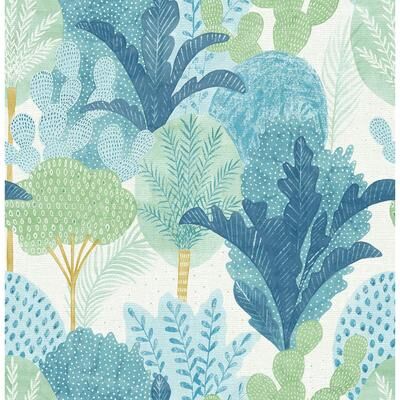
KALATY Andes Canyon Granite Grey Cotton Chenille Handmade Area RugDial your interior style up a notch with this outstanding handmade area rug. The elaborate grey Southwestern stripes lend graphic interest, while the reversible design optimizes the value of this piece.89,48 $*Shipping: 0,00 $Secure redirect to the provider


-
Where in Germany is the Eurasian teal still breeding?
The Eurasian teal is still breeding in various regions of Germany, including the northern coastal areas such as the Wadden Sea and the Baltic Sea coast. These areas provide suitable breeding habitats for the Eurasian teal, with their wetlands, marshes, and shallow coastal waters. Conservation efforts in these regions aim to protect the breeding grounds of the Eurasian teal and other waterfowl species. **
-
Why are there so many volcanoes in the Andes?
The Andes are a result of the subduction of the Nazca Plate beneath the South American Plate. This subduction process creates intense pressure and heat, leading to the melting of the Earth's crust and the formation of magma. This magma then rises to the surface, resulting in the formation of numerous volcanoes along the length of the Andes. Additionally, the Andes are also located along the Pacific Ring of Fire, a region known for its high volcanic activity due to the movement of tectonic plates and the presence of numerous subduction zones. **
-
What is the difference between organic and eco-friendly products?
Organic products are made from ingredients that are grown without the use of synthetic pesticides, herbicides, or fertilizers, and are often certified by a regulatory body. Eco-friendly products, on the other hand, are designed to have minimal impact on the environment throughout their entire lifecycle, from production to disposal. While organic products focus on the natural ingredients used, eco-friendly products consider the overall environmental impact of the product. In essence, organic products focus on the ingredients, while eco-friendly products focus on the entire product lifecycle. **
-
What are the indigenous people of the Andes in Peru?
The indigenous people of the Andes in Peru are the descendants of the ancient Inca civilization, as well as other pre-Columbian cultures such as the Quechua, Aymara, and many others. They have a rich cultural heritage that includes traditional clothing, music, dance, and agricultural practices. Despite centuries of colonization and marginalization, these indigenous communities continue to maintain their traditions and way of life, while also advocating for their rights and recognition in modern Peruvian society. **
Who are the indigenous people of the Andes in Peru?
The indigenous people of the Andes in Peru are primarily the Quechua and Aymara. The Quechua are the largest indigenous group in Peru and are known for their rich cultural heritage, including their language, traditional clothing, and agricultural practices. The Aymara people also have a strong presence in the Andean region of Peru, particularly around Lake Titicaca. Both groups have a deep connection to the Andean landscape and have preserved their traditional ways of life despite centuries of colonization and cultural assimilation. **
Is organic sustainable?
Organic farming practices can be more sustainable than conventional methods in terms of reducing chemical inputs, promoting biodiversity, and improving soil health. However, there are challenges to the scalability and efficiency of organic farming, which can impact its overall sustainability. For example, organic farming typically requires more land and labor to produce the same amount of food as conventional methods, which can limit its ability to meet global food demand. Additionally, the transportation and distribution of organic products can have a higher environmental impact due to their shorter shelf life and the need for refrigeration. Overall, while organic farming has many sustainable benefits, there are also limitations to its long-term sustainability on a large scale. **
Top-Angebote
Products related to KALATY-Andes-Desert-Teal:
-
KALATY Andes Desert Teal Chenille Cotton Handmade Kilim Area RugDecorate your floors with this Andes Desert area rug. Handmade from soft cotton chenille yarn, this rug provides luxurious cushioning underneath your feet and is reversible to extend its wear.301,99 $*Shipping: 0,00 $Secure redirect to the provider
-
KALATY Andes Canyon Graphite Cotton Chenille Handmade Kilim Area RugInvite rich texture into your contemporary living space with this handmade cotton and chenille Kilim area rug. The neutral tone Southwestern stripe pattern lends graphic allure.229,49 $*Shipping: 0,00 $Secure redirect to the provider
-
KALATY Andes Canyon Granite Grey Cotton Chenille Handmade Area RugDial your interior style up a notch with this outstanding handmade area rug. The elaborate grey Southwestern stripes lend graphic interest, while the reversible design optimizes the value of this piece.89,48 $*Shipping: 0,00 $Secure redirect to the provider
-
How are ores formed in the Andes?
Ores in the Andes are formed through a process called mineralization, which occurs when mineral-rich fluids move through cracks and fissures in the Earth's crust. These fluids can come from magma chambers deep underground or from circulating groundwater. As the fluids move through the rocks, they deposit minerals such as gold, silver, copper, and zinc, which eventually form ore deposits. The tectonic activity in the Andes, including subduction zones and volcanic activity, plays a crucial role in creating the conditions for mineralization to occur. **
-
How are the ores formed in the Andes?
The ores in the Andes are formed through a process called hydrothermal mineralization. This occurs when hot, mineral-rich fluids from deep within the Earth's crust rise to the surface and deposit their mineral content as they cool. The Andes are a tectonically active region with numerous faults and fractures, providing pathways for these mineral-rich fluids to move upwards. As the fluids cool, they deposit their mineral content in the fractures and cavities of the surrounding rocks, forming ore deposits such as copper, gold, and silver. This process has been ongoing for millions of years, leading to the formation of significant mineral deposits in the Andes. **
-
Where in Germany is the Eurasian teal still breeding?
The Eurasian teal is still breeding in various regions of Germany, including the northern coastal areas such as the Wadden Sea and the Baltic Sea coast. These areas provide suitable breeding habitats for the Eurasian teal, with their wetlands, marshes, and shallow coastal waters. Conservation efforts in these regions aim to protect the breeding grounds of the Eurasian teal and other waterfowl species. **
-
Why are there so many volcanoes in the Andes?
The Andes are a result of the subduction of the Nazca Plate beneath the South American Plate. This subduction process creates intense pressure and heat, leading to the melting of the Earth's crust and the formation of magma. This magma then rises to the surface, resulting in the formation of numerous volcanoes along the length of the Andes. Additionally, the Andes are also located along the Pacific Ring of Fire, a region known for its high volcanic activity due to the movement of tectonic plates and the presence of numerous subduction zones. **
Similar search terms for KALATY-Andes-Desert-Teal
-
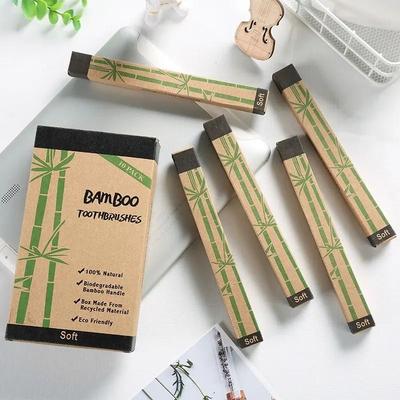
Uplift Essentials Natural Bamboo Eco Friendly Toothbrush 10 Piece Sustainable Family Pack Natural Bamboo Eco Friendly Toothbrush 10 Piece Sustainable Family PackTransition to a greener routine with this Natural Bamboo Toothbrush Set, a premium collection of bamboo products designed to reduce environmental impact without compromising on performance. Each handle is crafted from 100% sustainable bamboo,...37,97 $*Shipping: 0,00 $Secure redirect to the provider
-
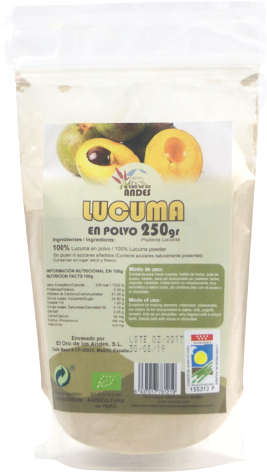
El Oro De Los Andes Organic Lucuma Powder 250 grNutrition and Supplements Natural Extracts El Oro De Los Andes Organic Lucuma Powder 250 gr Native fruit of Peru, cataloged as "Egg Fruit", in English, similar to the yolk of a boiled egg. It is considered one of the traditional flavors of Peru, (sweet aroma of mango and vanilla). Lucuma powder is excellent for making desserts such as milk shakes, cheesecakes, ice creams, pancakes; to be incorporated in cakes, yogurts, cereals.6,97 £*Shipping: 3,99 £Secure redirect to the provider
-
What is the difference between organic and eco-friendly products?
Organic products are made from ingredients that are grown without the use of synthetic pesticides, herbicides, or fertilizers, and are often certified by a regulatory body. Eco-friendly products, on the other hand, are designed to have minimal impact on the environment throughout their entire lifecycle, from production to disposal. While organic products focus on the natural ingredients used, eco-friendly products consider the overall environmental impact of the product. In essence, organic products focus on the ingredients, while eco-friendly products focus on the entire product lifecycle. **
-
What are the indigenous people of the Andes in Peru?
The indigenous people of the Andes in Peru are the descendants of the ancient Inca civilization, as well as other pre-Columbian cultures such as the Quechua, Aymara, and many others. They have a rich cultural heritage that includes traditional clothing, music, dance, and agricultural practices. Despite centuries of colonization and marginalization, these indigenous communities continue to maintain their traditions and way of life, while also advocating for their rights and recognition in modern Peruvian society. **
-
Who are the indigenous people of the Andes in Peru?
The indigenous people of the Andes in Peru are primarily the Quechua and Aymara. The Quechua are the largest indigenous group in Peru and are known for their rich cultural heritage, including their language, traditional clothing, and agricultural practices. The Aymara people also have a strong presence in the Andean region of Peru, particularly around Lake Titicaca. Both groups have a deep connection to the Andean landscape and have preserved their traditional ways of life despite centuries of colonization and cultural assimilation. **
-
Is organic sustainable?
Organic farming practices can be more sustainable than conventional methods in terms of reducing chemical inputs, promoting biodiversity, and improving soil health. However, there are challenges to the scalability and efficiency of organic farming, which can impact its overall sustainability. For example, organic farming typically requires more land and labor to produce the same amount of food as conventional methods, which can limit its ability to meet global food demand. Additionally, the transportation and distribution of organic products can have a higher environmental impact due to their shorter shelf life and the need for refrigeration. Overall, while organic farming has many sustainable benefits, there are also limitations to its long-term sustainability on a large scale. **
* All prices are inclusive of VAT and, if applicable, plus shipping costs. The offer information is based on the details provided by the respective shop and is updated through automated processes. Real-time updates do not occur, so deviations can occur in individual cases. ** Note: Parts of this content were created by AI.